Across the Wide Bay region, more people are asking whether smaller living really can mean stronger returns. From Bundaberg to Hervey Bay, housing costs continue to shift, rental demand remains steady, and homeowners are exploring creative ways to use their land.
In places like Gladstone, Gympie, Maryborough, Rockhampton and Tannum Sands, compact dwellings are no longer a novelty. They are becoming part of mainstream housing conversations. But are they actually profitable, or simply a lifestyle trend?
Let us break it down clearly.
Are Tiny Homes a profitable property strategy in Wide Bay?
Tiny Homes can create rental income on existing land
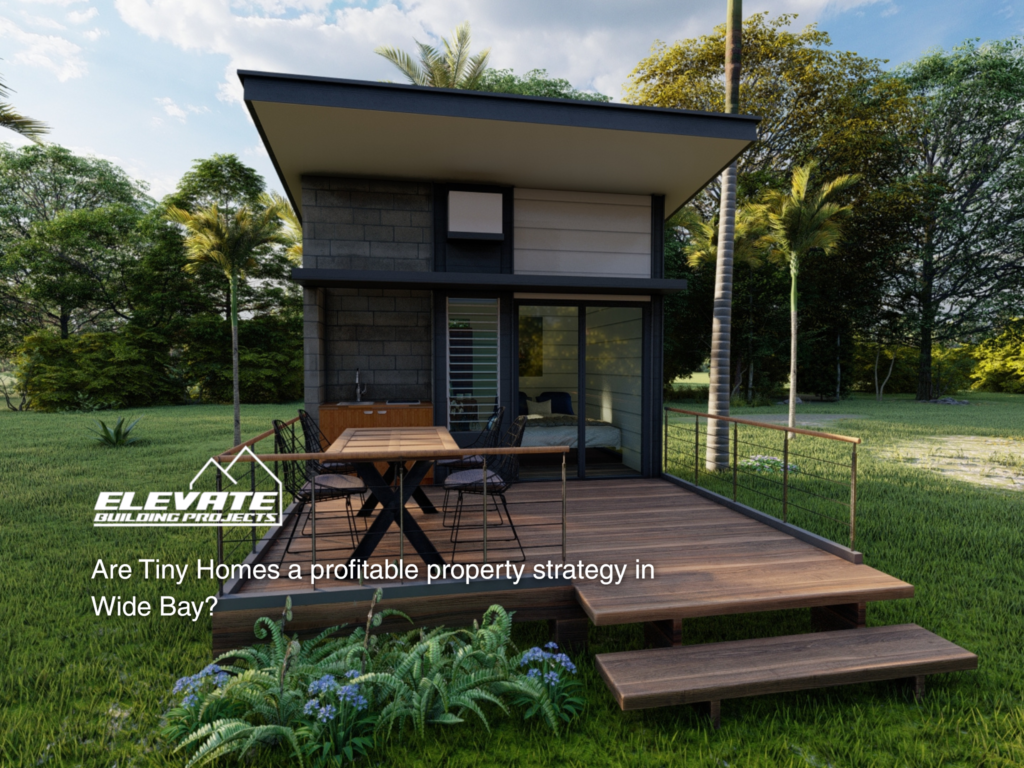
One of the main reasons investors look at Tiny Homes is the opportunity to generate additional income without purchasing a new block. In Bundaberg and Maryborough, many homeowners are adding compact dwellings in their backyard as a secondary rental.
A well designed tiny home or granny flat can attract students, single professionals, healthcare workers, or older residents who want affordable accommodation close to town. With lower construction costs compared to full size houses, rental returns can be proportionally strong.
The key is thoughtful planning, quality finishes, and positioning the dwelling to suit the local market.
Does it suit the Wide Bay rental market
In Hervey Bay and Gympie, rental demand often comes from downsizers, retirees, and seasonal workers. Tiny Homes can suit this demographic well. They offer independence without the cost and upkeep of a large house.
Granny pods are also becoming popular for families who want to keep ageing parents close by while maintaining privacy. In these cases, the financial return is not only rent. It can also mean saving on aged care costs or supporting family without moving to a bigger property.
When designed correctly, these dwellings can blend into the backyard and add long term value.
Offers lower upfront risk
Compared to building a second full sized dwelling, Tiny Homes require less capital. In Rockhampton and Gladstone, this lower entry cost makes them appealing to first time investors.
A smaller build means shorter construction timelines and less exposure to rising material costs. It also allows landowners to test the secondary rental market without committing to a major development.
For many Wide Bay property owners, that balance between cost and return is where profitability begins.
What makes a small dwelling financially worthwhile?
Location still determines your outcome
Whether it is a granny flat in Tannum Sands or a compact unit in Gympie, location shapes rental appeal. Proximity to schools, hospitals, beaches, and transport links matters.
Even a beautifully finished build may struggle if placed in an area with limited demand. On the other hand, a modest but well positioned home in Bundaberg can achieve consistent tenancy.
Before building, it is important to review local rental trends and council requirements. Good groundwork supports stronger long term returns.
Can Tiny Homes increase overall property value
In many cases, yes. Adding Tiny Homes to a block can increase its resale appeal, particularly in family focused areas like Hervey Bay and Maryborough.
Buyers may see flexibility in having a secondary dwelling for guests, teenagers, ageing parents, or rental income. That versatility can translate into higher perceived value.
While every property is different, a well constructed tiny home or granny pod that complements the main house can strengthen market interest.
Build quality influences long term performance
Profit is not only about rental income. It also involves maintenance costs, durability, and tenant satisfaction.
High quality insulation, smart layouts, and energy efficient features can reduce running costs and attract stable tenants. In coastal regions like Gladstone and Rockhampton, materials that handle humidity and salt air are essential.
Cutting corners at the build stage can reduce initial spending but may increase repairs later. A carefully planned project protects your margins over time.
Is the demand for Tiny Homes growing in regional Queensland?
Lifestyle changes are reshaping housing choices
More Australians are rethinking how much space they truly need. Rising living costs, remote work, and a desire for simpler living are driving interest in compact housing.
In places like Bundaberg and Tannum Sands, people are choosing to downsize near the coast while freeing up cash for travel or retirement. Tiny Homes meet that need without sacrificing comfort.
They also appeal to younger renters who want privacy without sharing a large house.
Why are Tiny Homes appealing to retirees and families
Retirees in Hervey Bay and Rockhampton often look for manageable homes close to family. Tiny Homes and granny pods offer independence with nearby support.
For families in Maryborough or Gympie, adding a secondary dwelling can create space for adult children saving for their own home. This multi generational approach is becoming more common.
In these cases, the financial benefit extends beyond rent. It can include shared expenses and stronger family stability.
Tiny Homes support flexible property use
Flexibility is a powerful advantage. A tiny home built today as a rental in Gladstone could later become a home office, guest suite, or private retreat.
This adaptability increases the usefulness of the land. It also allows property owners to adjust as circumstances change.
That long term versatility is one of the strongest arguments for investing in Tiny Homes across Wide Bay.
Ready to explore your options in Wide Bay?
If you are considering a tiny home, granny flat, or granny pod in Bundaberg, Hervey Bay, Gladstone, Gympie, Maryborough, Rockhampton or Tannum Sands, the right design makes all the difference.
At Elevate Building Projects, we focus on creating architecturally designed small homes that suit your block, your budget, and your long term goals. Whether your aim is rental income, family flexibility, or future resale value, a well planned build can turn unused space into a practical asset.
Speak with our team today and discover how a thoughtfully designed compact dwelling could work for you in the Wide Bay region.